Growing Older Together
How pets are quietly changing the lives of Singapore's seniors — not in dramatic ways, but in deeply human ones.
At 6:30 in the morning, before the cafés fill and before the MRT stations begin their daily rush, another version of Singapore quietly comes to life.
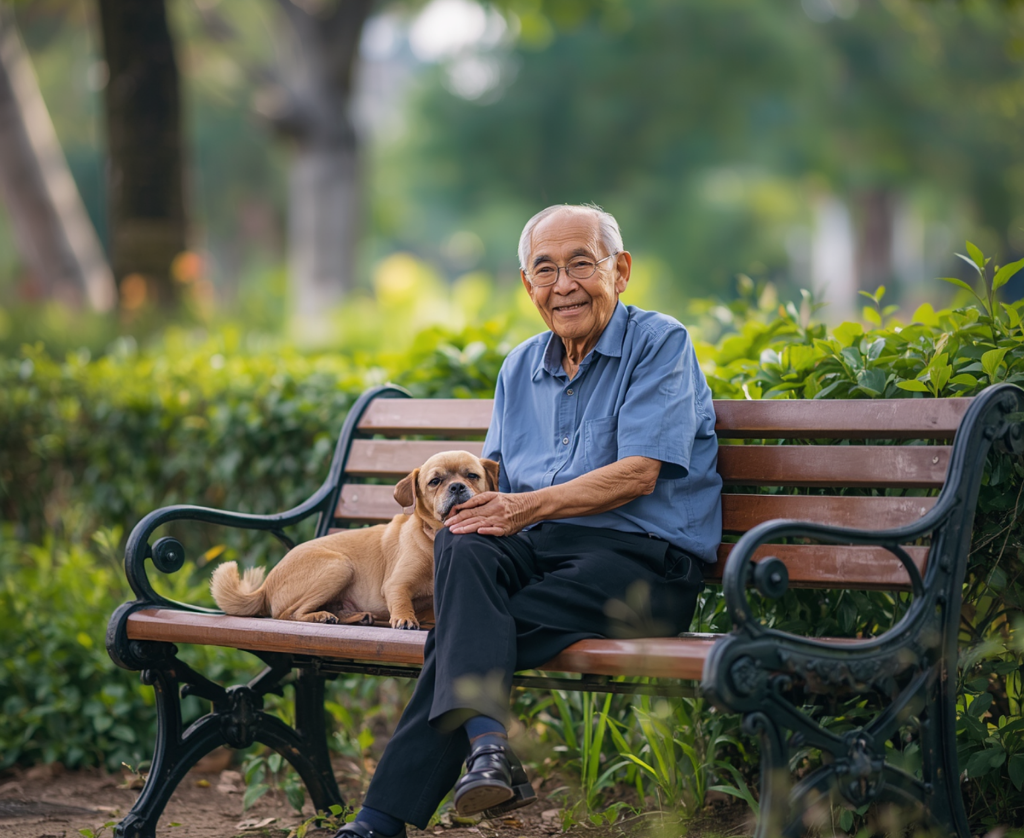
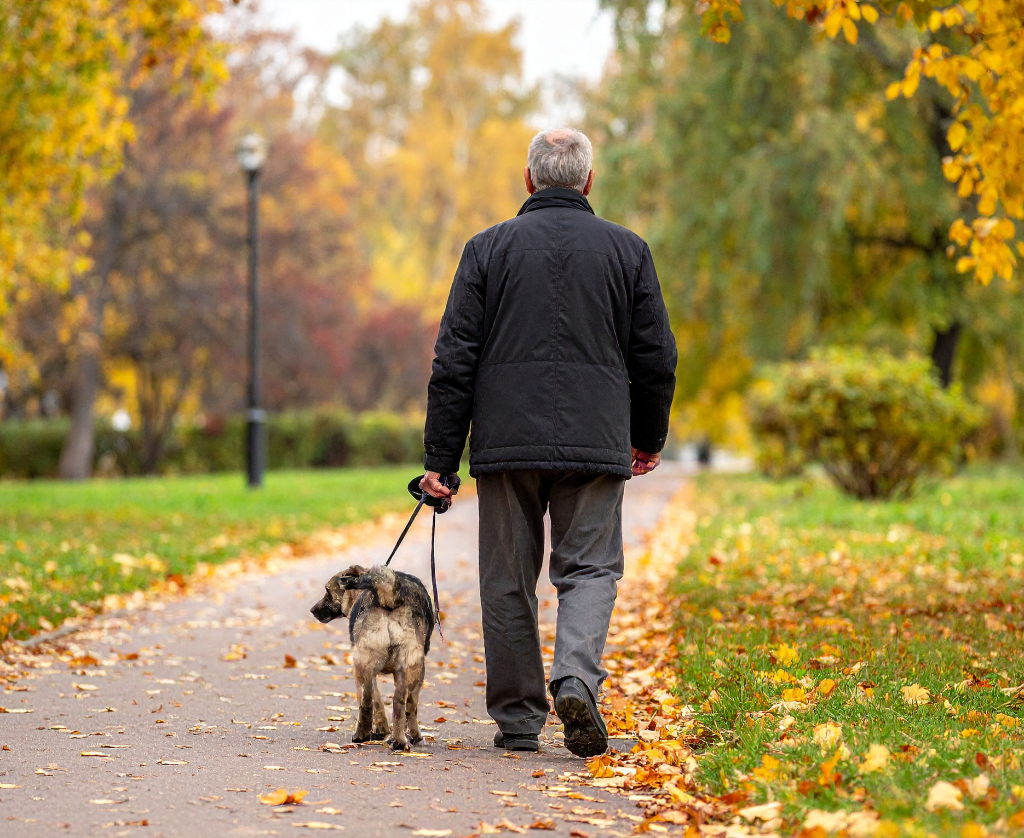
In neighborhood parks, along HDB walkways, and beside kopitiams opening for breakfast, many seniors begin their day with a familiar companion beside them. Some walk slowly with small dogs leading the way. Others sit on benches while a pet rests nearby. In some homes, a cat waits patiently at the window for the first light of the morning.
These moments may seem simple, but for many elderly people in Singapore, pets have become far more than companions. They are part of daily routine, emotional wellbeing, social connection, and even purpose.
Singapore is one of Asia's fastest-aging societies. According to national projections, nearly one in four citizens will be aged 65 or older by 2030. At the same time, family structures are changing. More people live alone, children move overseas, and modern city life can sometimes feel fast and isolating.
In this changing landscape, pets are quietly becoming part of the emotional fabric of aging.
Not in dramatic ways. But in deeply human ones.
Structure, Routine, and Movement
For many seniors, a pet creates structure in the day. A dog still needs to be walked, even when motivation is low. A cat still waits for breakfast every morning. These small responsibilities may sound ordinary, yet psychologists often describe routine as one of the most important parts of emotional wellbeing, especially later in life.
Having something to care for can create a sense of meaning.
It also encourages movement.
A short walk around the block may not seem like exercise, but over time it becomes daily activity, fresh air, sunlight, and interaction with the outside world. In Singapore, where many seniors live in high-density urban neighborhoods, pets often become the reason people continue engaging with their community.
Dog owners naturally stop and talk. Neighbors recognize familiar pets. Friendships begin through repeated small encounters.
In many ways, pets become social bridges.
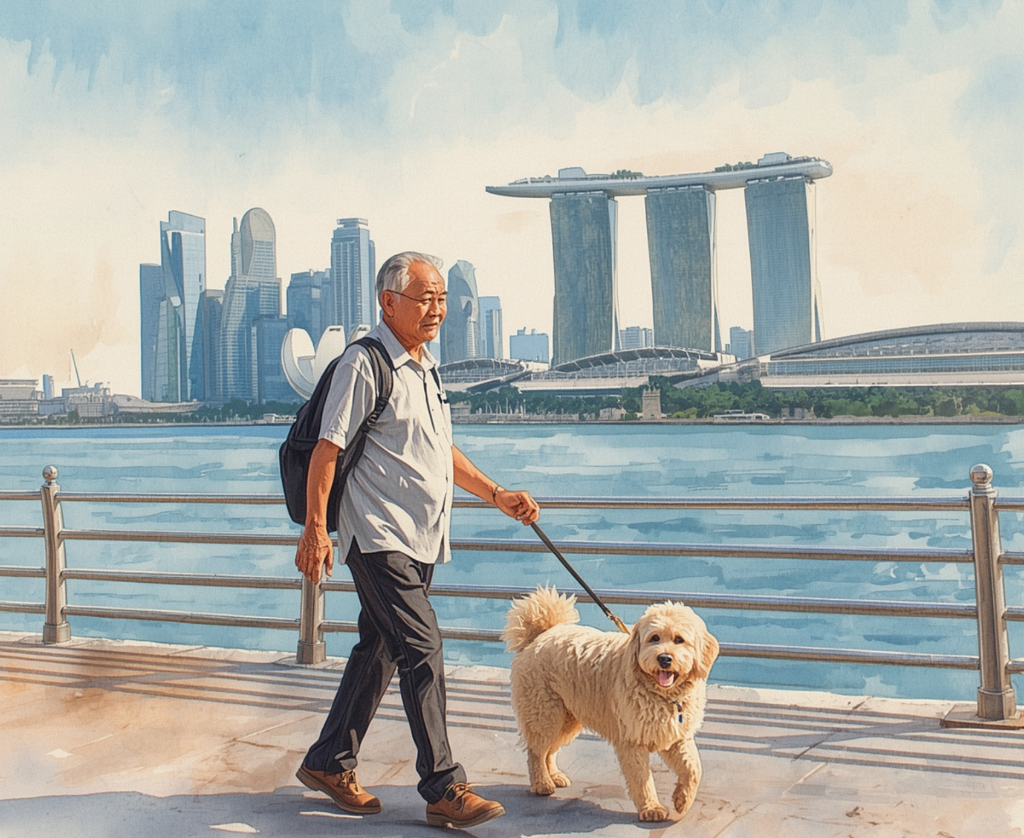
Anyone who spends time around Singapore's park connectors will notice it immediately. Complete strangers begin conversations simply because one dog approaches another. For elderly residents, these interactions matter more than many people realize. A quick conversation, a smile, or even regular recognition from neighbors can reduce feelings of loneliness.
And loneliness is becoming one of the most discussed emotional challenges in modern aging societies around the world.
The Emotional Reality
Research from multiple international studies has shown that pet ownership may help reduce stress, anxiety, and feelings of isolation among older adults. Some studies have even linked companion animals with improved emotional health and stronger cognitive engagement.
But beyond the studies and statistics, the emotional reality is easier to understand.
A pet brings presence into a home.
Silence feels different when another living being is nearby.
For some seniors, especially those whose children have grown up or moved away, pets help soften the transition into a quieter phase of life. A dog waiting by the door or a cat sleeping nearby may seem small, but emotional comfort is often built from small moments repeated every day.
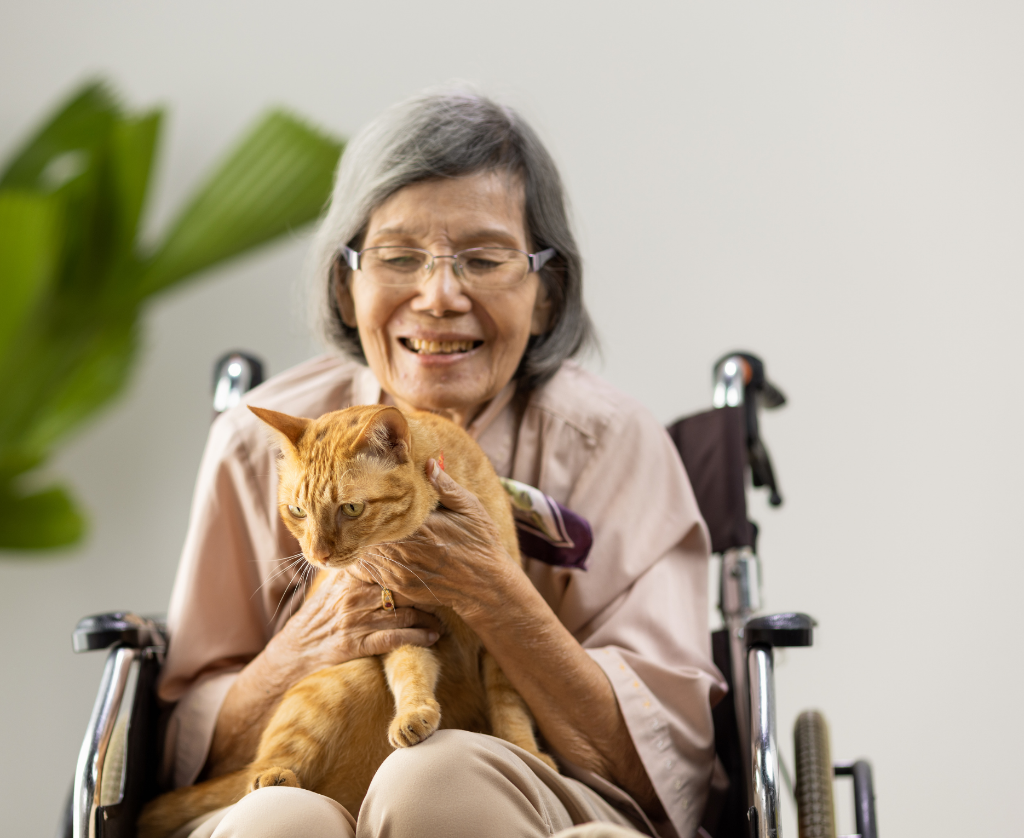
Singapore is also seeing a growing shift in how aging itself is viewed.
Today's seniors are not the same as previous generations. Many are active, independent, digitally connected, and socially engaged. Some travel regularly. Others participate in community groups, exercise classes, or volunteer activities. Pets fit naturally into this more modern version of senior living.
At pet-friendly cafés across Singapore, it is increasingly common to see older adults enjoying breakfast with their dogs nearby. Parks like Bishan-Ang Mo Kio Park and East Coast Park have become gathering places not only for pets, but also for communities built around them.
Even within HDB estates, pets are helping create softer and more connected environments.
A Connection for the Whole Family
Interestingly, pets are also becoming part of how younger generations care for their parents and grandparents.
Not through expensive gifts or grand gestures, but through companionship.
Some families are beginning to carefully introduce calm rescue dogs, older cats, or smaller companion pets into the lives of elderly parents who may spend long hours alone at home. When thoughtfully matched, the right pet can bring routine, movement, conversation, and emotional warmth back into daily life.
In many cases, the pet becomes more than a companion for the senior. It becomes a connection point for the entire family.
Grandchildren come by for walks. Children help with feeding schedules or vet visits. Weekend breakfasts become pet-friendly outings together.
What begins as care for an elderly parent sometimes evolves into a shared family experience.
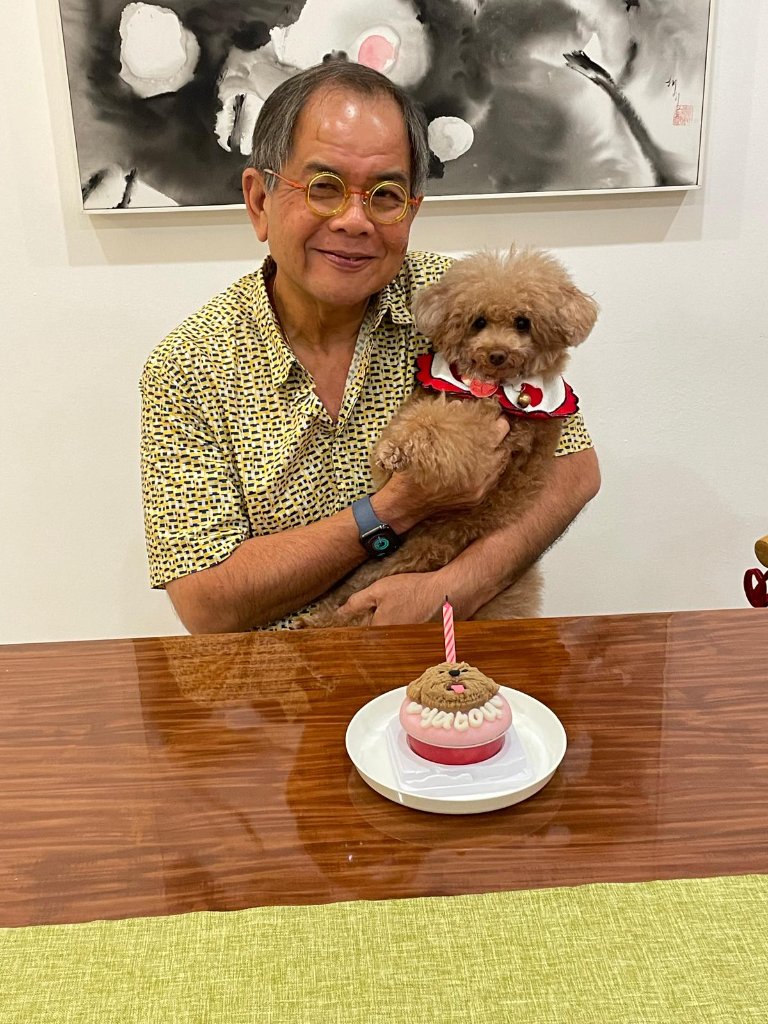
A dog creates stories. A cat creates routines. And shared responsibility often creates connection.
The Right Match Matters
Of course, pet ownership is not always easy.
Animals require time, care, financial commitment, and emotional responsibility. Not every senior is suited for a large or highly active dog. Singapore's warm climate and apartment-based living also require thoughtful decisions when choosing a pet.
That is why many experts encourage practical matching instead of emotional impulse.
Older rescue dogs are often calmer and easier to manage. Cats can provide companionship while requiring less physical activity. Birds and smaller companion animals may also offer emotional connection without overwhelming responsibility.
The goal is not simply to "own" a pet.
The goal is compatibility.
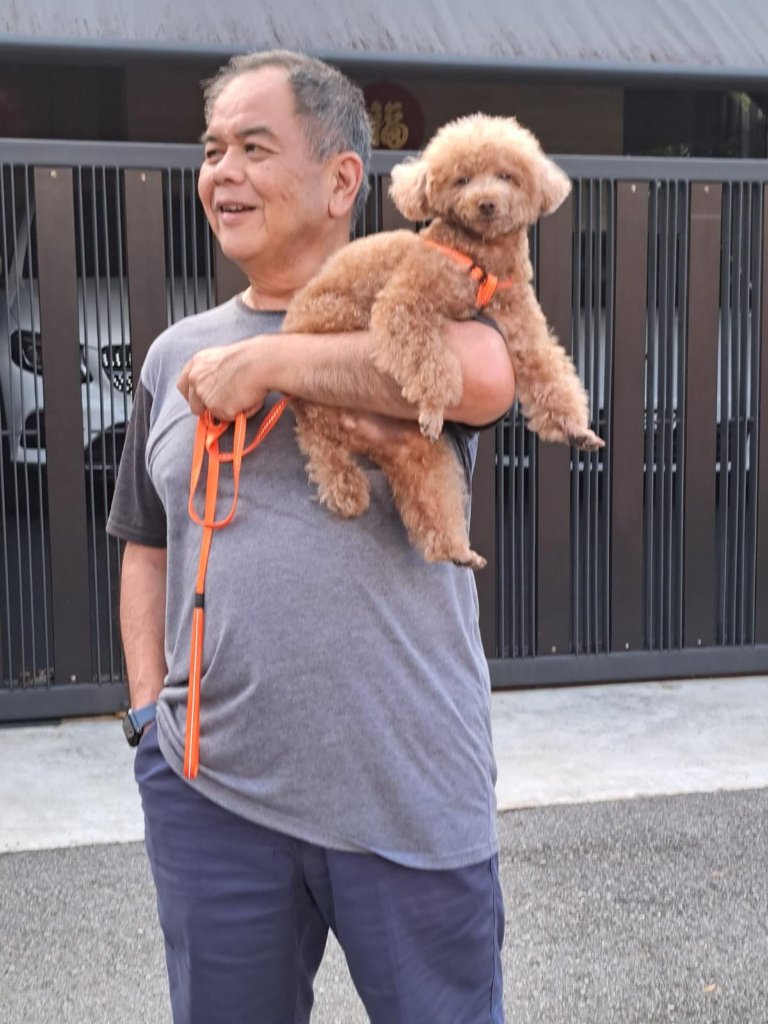
Animal welfare groups in Singapore have also begun recognizing the importance of matching pets carefully with elderly adopters. In some cases, senior pets are paired with senior humans, creating surprisingly beautiful relationships between two beings entering a quieter stage of life together.
There is something deeply touching about that idea.
Growing older together.
Presence in the Present Moment
In recent years, conversations around mental wellbeing have also become more open in Singapore. Emotional health is no longer viewed only through medical treatment or clinical language. More people now recognize the importance of daily lifestyle factors such as movement, companionship, routine, and connection.
Pets naturally support many of these areas.
They encourage presence.
A dog does not care about yesterday's stress or tomorrow's worries. A cat resting peacefully nearby has a calming effect that many pet guardians understand instantly. Animals have a unique ability to pull people into the present moment.
Perhaps that is one of their greatest gifts.
In a world that constantly moves faster, pets slow life down.
For elderly people especially, this slowing down can feel grounding rather than limiting. Morning walks become rituals. Feeding routines become meaningful. Quiet companionship becomes emotionally stabilizing.
And while Singapore continues developing into one of the world's most advanced urban societies, these softer emotional connections may become even more important in the years ahead.
Because aging is not only about healthcare, infrastructure, or policy.
It is also about quality of life.
It is about feeling seen, needed, connected, and emotionally alive.
Sometimes, that connection comes through family. Sometimes through friends. And sometimes, through four paws quietly waiting by the door each morning.
In many Singapore homes today, pets are no longer simply animals living alongside people.
They are companions through life's later chapters.
And for many seniors, that companionship may be one of the most meaningful relationships of all.
Share this story
Discussion (0)
No comments yet. Be the first to share your thoughts!
Stay Connected
Get stories like this in your inbox
Join our community of design-minded pet lovers. Curated stories on culture, travel, and modern pet living — delivered to you.
Get Involved
Inspired? Share Your Story
Pet Culture Asia is shaped by its community. Pitch a story, upload a photo, or share a hidden gem.