Adopting a Pet in Singapore: What Future Guardians Should Know
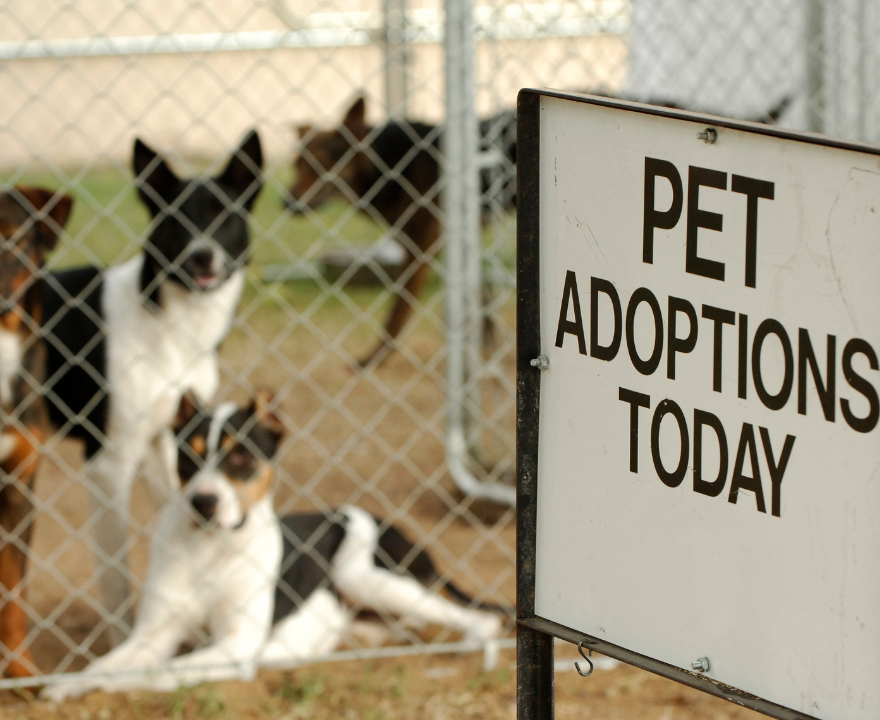
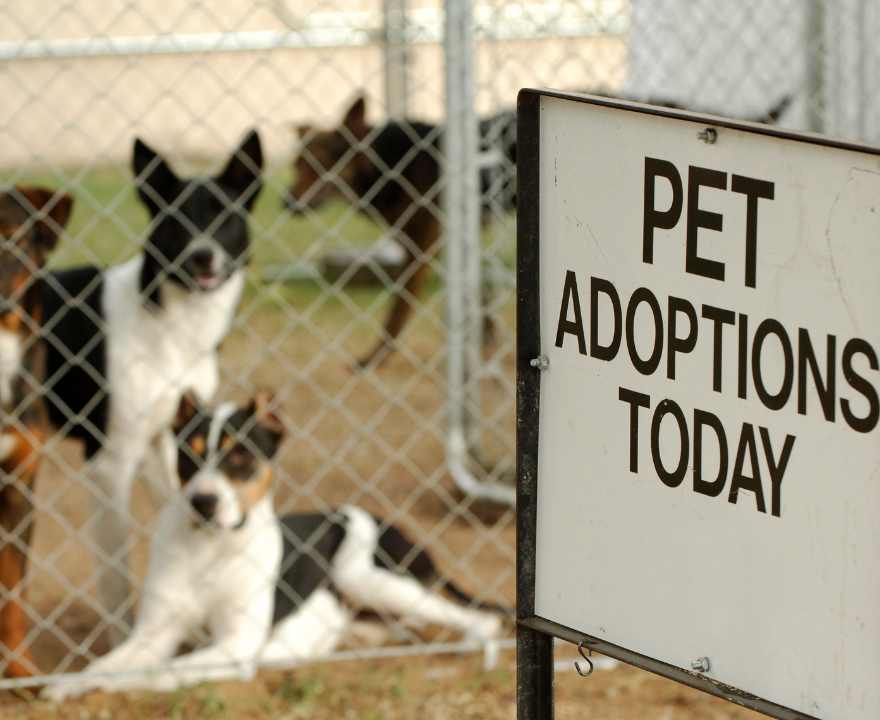
In Singapore, pet adoption has quietly evolved into something much bigger than simply bringing an animal home. For a growing number of people, it is becoming tied to ideas of companionship, emotional wellbeing, responsibility, and everyday life.
In Singapore, pet adoption has quietly evolved into something much bigger than simply bringing an animal home.
For a growing number of people, especially younger urban residents, adopting a pet is becoming tied to ideas of companionship, emotional wellbeing, responsibility, and everyday life. Rescue dogs are increasingly becoming part of modern city living: joining morning walks, weekend hikes, and the daily rhythms of home.
At the same time, perceptions around adoption are also changing.
Across Singapore, more adopters are openly sharing stories not only about rescuing animals, but about how those animals quietly transformed their homes, routines, and relationships in return.
Why Adoption Feels Different
For many adopters, the experience is centered around compatibility, trust, and long-term placement.
Animal welfare groups and rescue organizations typically work closely with adopters to understand what kind of environment, lifestyle, and energy level may be best suited for each animal. For many people, this creates a more personal experience, one that often develops gradually through conversations, preparation, and emotional connection.
Organizations across Singapore approach rescue and rehoming in different ways, often serving distinct animal needs and communities.
SPCA Singapore remains one of the country's largest and most established multi-species shelters, frequently serving as a starting point for adopters interested in cats, rabbits, guinea pigs, and dogs.
SOSD Singapore and Action for Singapore Dogs are particularly known for their work with rescued street dogs and Singapore Specials, including adoptions under Project ADORE for HDB households.
Cat Welfare Society has become an increasingly important resource for cat owners and adopters, especially as Singapore transitions toward mandatory cat licensing and more standardized feline welfare practices.
Meanwhile, Oasis Second Chance Animal Shelter (OSCAS) focuses heavily on the rescue, fostering, rehabilitation, and rehoming of vulnerable dogs through a strongly community-driven volunteer network.
Together, these organizations have helped reshape public perceptions around adoption — particularly around local mixed-breed animals that are increasingly becoming part of Singapore's urban pet culture.
For many adopters, the experience becomes less about simply bringing a pet home and more about learning how to build trust with an animal that may have experienced abandonment or instability.
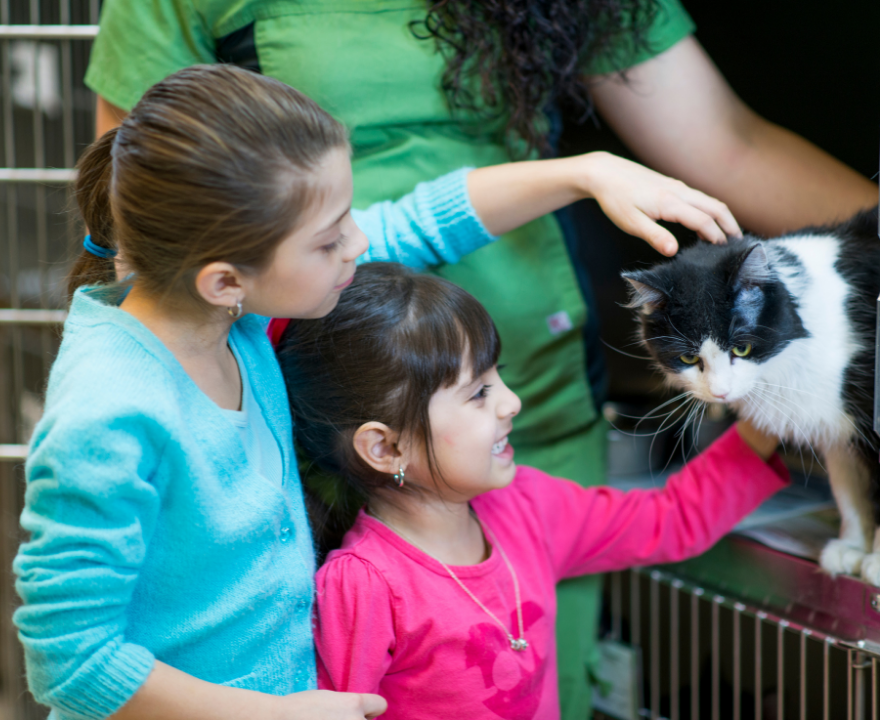
What the Adoption Process Actually Looks Like
Although every organization has slightly different procedures, most adoption journeys in Singapore follow a similar structure designed to prioritize long-term compatibility and responsible placements.
The process often begins with an application form covering topics such as housing type, schedules, family structure, and previous experience with pets. While this can initially feel formal, rescue organizations explain that the goal is not perfection, but understanding what type of environment would best suit the animal.
This is usually followed by a conversation with volunteers or fosterers about expectations, routines, and lifestyle compatibility. Rescue groups often use these conversations to recommend animals whose temperament and energy levels align with the household.
Meet-and-greets then allow potential adopters to spend time with the animal before making a final commitment. In many cases, all household members are encouraged to attend to help ensure a smoother transition.
Home visits are another common step, particularly for cat adopters or first-time owners. Volunteers may check for practical safety concerns such as unsecured windows or unsafe balcony spaces. Increasingly, these visits are viewed less as inspections and more as collaborative efforts to help animals settle safely into urban homes.
Some organizations also include trial periods or temporary homestays before finalizing the adoption. These adjustment windows allow both the adopter and the animal time to adapt gradually, helping create more successful long-term matches.
For many adopters, what initially seems intimidating often becomes part of what makes the experience feel meaningful. The process encourages people to slow down, ask questions, prepare thoughtfully, and approach pet ownership with long-term commitment in mind.
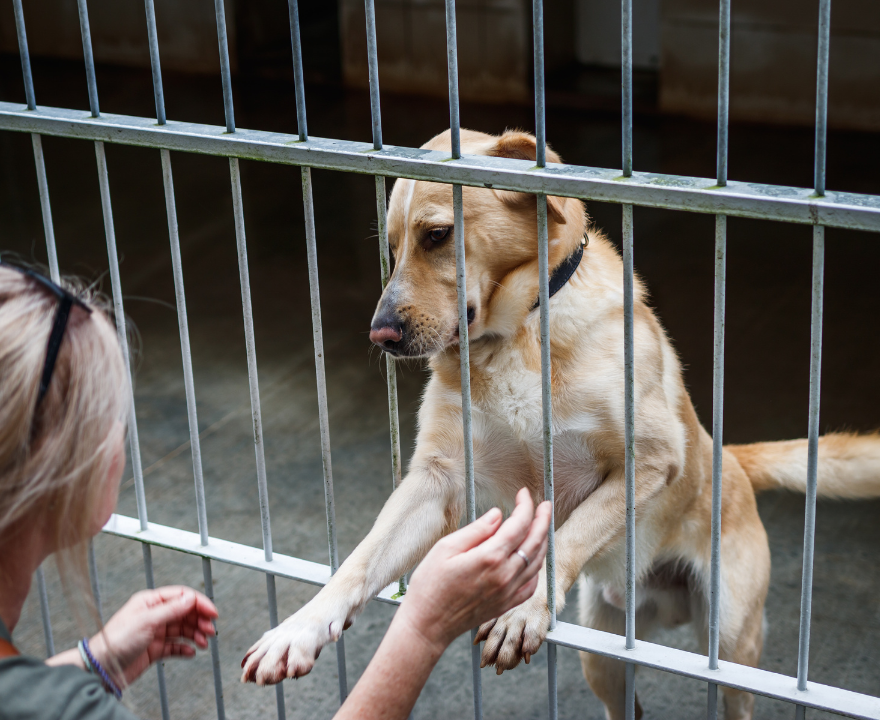
The Rise of the Singapore Special
Perhaps no animal reflects Singapore's evolving pet culture more than the "Singapore Special."
Over the years, these local mixed-breed dogs have become an increasingly familiar presence across HDB estates and urban neighborhoods, helped in part by initiatives such as Project ADORE.
Known for being adaptable, intelligent, and well-suited to Singapore's tropical climate, Singapore Specials have gradually gained recognition among adopters looking for companions that fit naturally into local urban life.
But beyond practicality, many adopters describe something deeper: the emotional experience of building trust with a rescue dog.
For some, it is the first successful walk without fear. For others, the first moment the dog falls asleep beside them or greets them excitedly at the door. These quiet milestones often become the moments that reshape how people understand companionship.
Practical Notes for New Pet Owners in Singapore
Whether adopting or purchasing a pet, owners in Singapore are required to follow a number of standard regulations introduced to support responsible pet ownership.
These include:
- Microchipping and licensing requirements
- The AVS Pet Ownership Course for first-time owners
- Home safety measures such as window meshing for cats
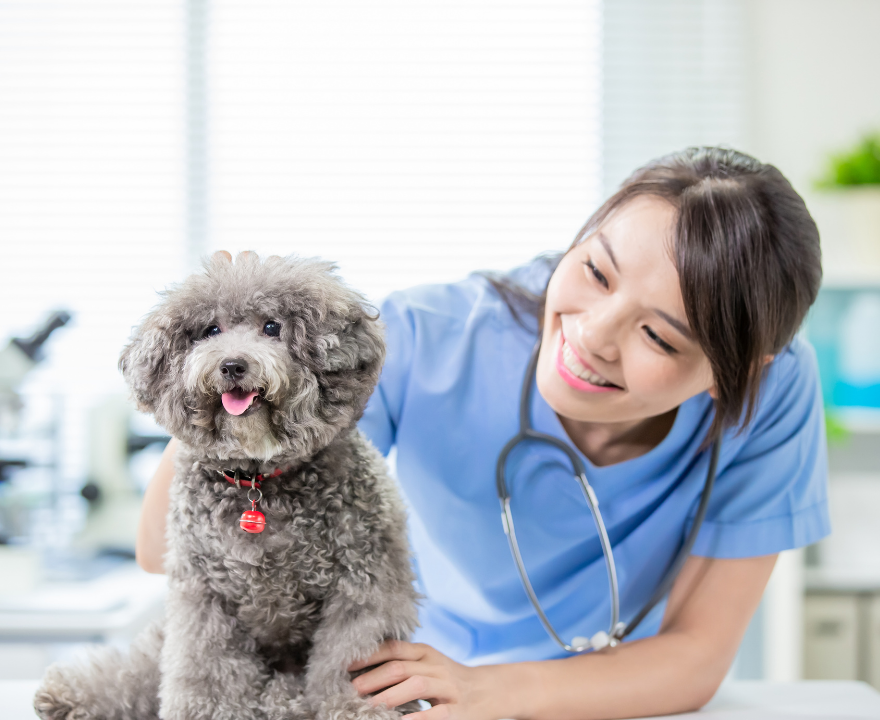
Animal welfare groups often encourage future adopters to familiarize themselves with these requirements early, as they form part of Singapore's broader effort to create safer and more responsible environments for pets across the country.
And while adoption certainly comes with responsibility, many owners say the process itself often becomes part of the relationship, encouraging people to slow down, prepare thoughtfully, and approach pet ownership with long-term commitment in mind.
In the end, adoption is not only about rescue.
It is about commitment, companionship, and the quiet routines that slowly turn two lives into one shared home.
Share this story
Discussion (0)
No comments yet. Be the first to share your thoughts!
Stay Connected
Get stories like this in your inbox
Join our community of design-minded pet lovers. Curated stories on culture, travel, and modern pet living — delivered to you.
Get Involved
Inspired? Share Your Story
Pet Culture Asia is shaped by its community. Pitch a story, upload a photo, or share a hidden gem.