How Birds Navigate: Why Singapore Becomes a Rest Stop for Thousands of Migrating Birds Every Year
Twice a year, something incredible happens above Singapore. While most of us are rushing to work, thousands of birds are flying silently overhead on one of nature's greatest journeys — arriving from as far as Siberia, the Arctic, and beyond.
Twice a year, something incredible happens above Singapore.
While most of us are rushing to work, ordering kopi, or walking through the city parks, thousands of birds are flying silently overhead on one of nature's greatest journeys. Some arrive from as far as Siberia, China, Mongolia, and even the Arctic. Others are traveling toward Australia, Indonesia, or deeper into Southeast Asia.
And somehow, despite crossing oceans, storms, forests, and cities, many of these birds arrive in Singapore almost exactly on schedule every year.
So how do birds know where to go? And why is Singapore such an important stop along the way?
The answers reveal one of the most fascinating stories in the natural world.
Singapore Is a Bird Highway
Singapore may be a small island, but it sits in a very important location for migratory birds.
The country lies along the East Asian–Australasian Flyway, one of the world's major migration routes. Think of it as a giant aerial highway used by millions of birds moving between northern Asia and the southern hemisphere.
For many birds, Singapore is not the final destination. It is a resting point.
After flying for days across seas and countries, birds stop here to eat, recover energy, and continue their journey. Places like Sungei Buloh Wetland Reserve, Pulau Ubin, and Jurong Lake Gardens become temporary homes for exhausted travelers with wings.
Some birds stay for weeks. Others only for a short break before continuing thousands more kilometers.
Birds Travel Better Than Many Humans
One of the most amazing things about migration is that many birds complete these journeys without ever being taught.
Young birds making their very first migration can still fly in the correct direction. Scientists believe birds are born with instinctive navigation abilities, almost like a built-in map.
But instinct alone is not enough. Birds use several natural tools to navigate the planet.
They Use the Sun and Stars
During daytime, birds can use the position of the sun as a compass. At night, many species navigate using stars and constellations.
Experiments showed that birds become confused if star patterns are changed artificially. This means they are not randomly flying. They are actively reading the sky.
Imagine a tiny bird flying across Asia using the stars above Singapore's skyline to continue toward Australia. Nature designed pilots long before airplanes existed.
Birds Can Sense Earth's Magnetic Field
Scientists also discovered that birds can detect Earth's magnetic field.
This ability, called magnetoreception, acts like a biological GPS. Birds may sense magnetic signals through special cells in their eyes or beaks, helping them understand direction even during cloudy weather.
Humans cannot naturally feel magnetic fields, which makes this difficult to imagine. But for birds, it may feel completely normal.
Singapore's Hidden Bird Visitors
Many people do not realise how many migratory birds actually visit Singapore every year.
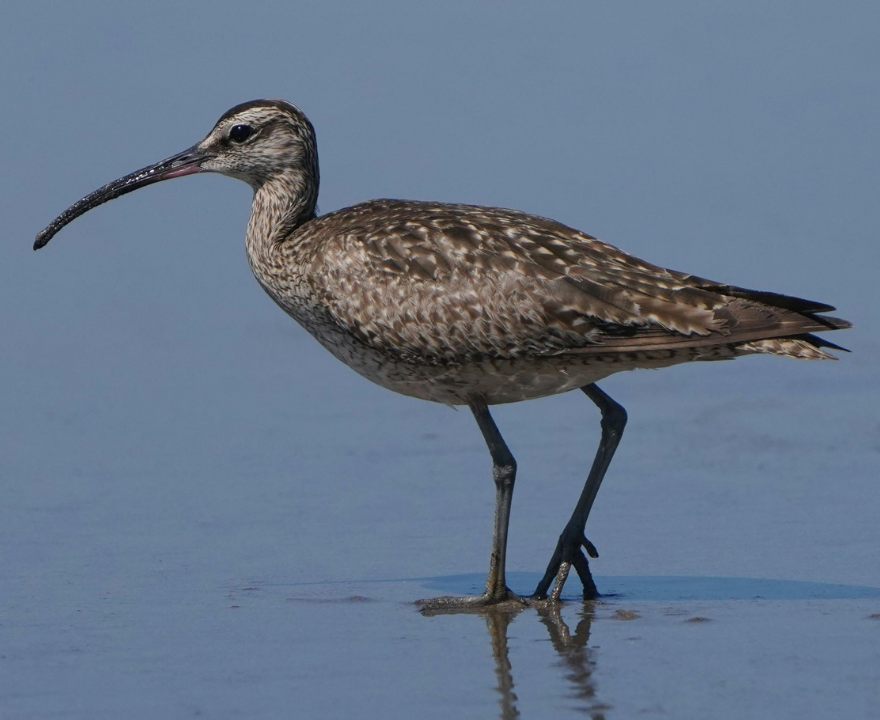
Birdwatchers and photographers often become excited during migration season because rare visitors suddenly appear in parks, reservoirs, and coastal areas. Some well-known migratory visitors include the Whimbrel, Common Sandpiper, Arctic Warbler, and Oriental Honey Buzzard.
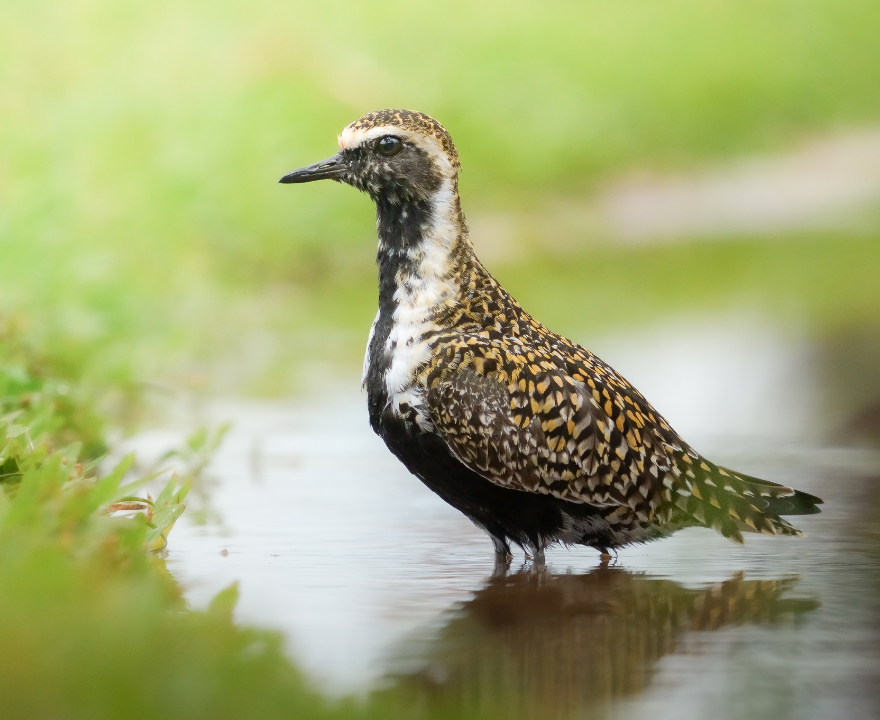
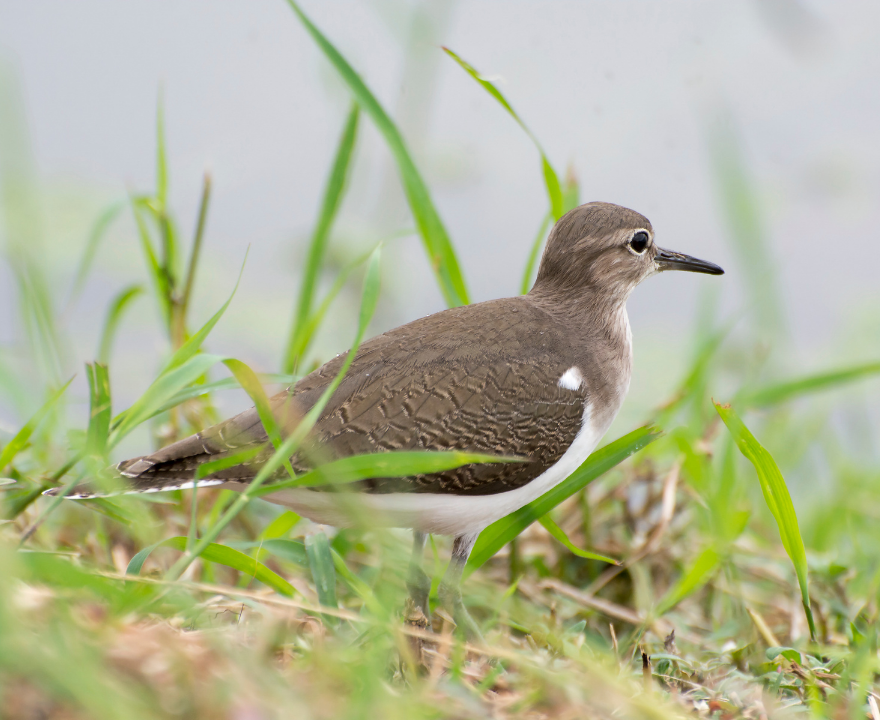
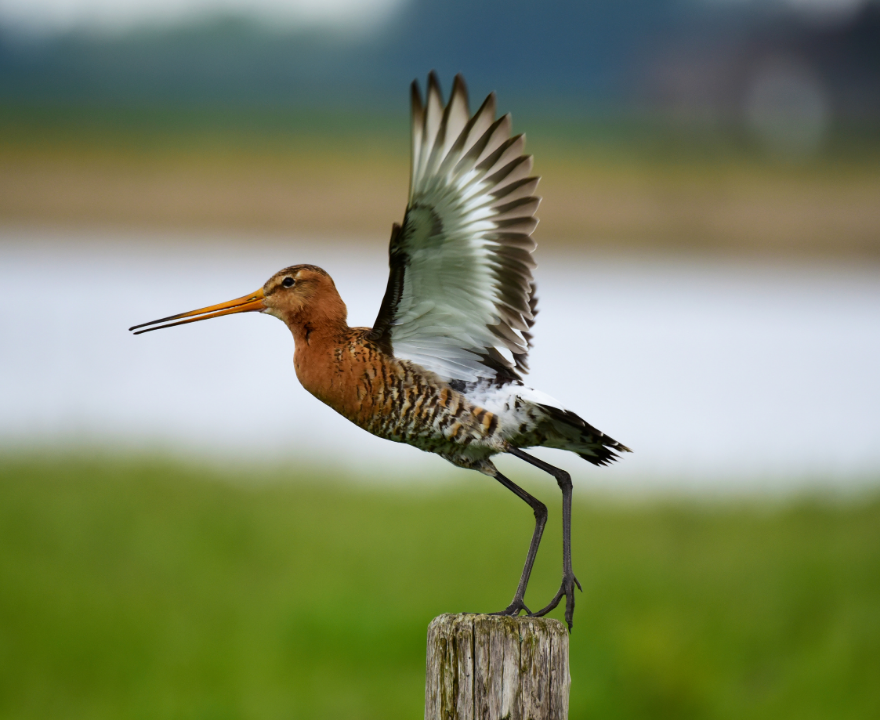
The tiny Arctic Warbler travels incredible distances from northern Asia down toward Southeast Asia. Meanwhile, shorebirds stop along Singapore's wetlands to recover energy after crossing huge stretches of ocean.
For bird lovers, migration season feels almost like an international festival arriving quietly through the skies.
Why Wetlands Matter So Much
Wetlands are one of the most important habitats for migrating birds.
Areas filled with mudflats, mangroves, shallow water, and natural coastlines provide food and safety during long journeys. Singapore's conservation efforts have helped protect several important bird habitats despite the country's urban growth.
At Sungei Buloh Wetland Reserve, visitors can sometimes spot migratory birds feeding calmly near the water during migration periods.
Without these resting places, many birds would struggle to survive the journey. Migration is not simply about flying. It is about finding safe places to recover along the way.
Climate Change Is Affecting Migration
Bird migration patterns are beginning to change because of climate change and urban development.
Warmer temperatures can affect when birds leave, where they stop, and whether food is available when they arrive. Artificial city lighting can also confuse birds at night, especially in dense urban environments.
In highly developed cities like Singapore, balancing modernisation with nature conservation becomes increasingly important. Protecting green spaces does not only help local wildlife. It supports global migration systems connected across continents.
Even Your Pet Bird Has Incredible Awareness
Domestic birds may not migrate across countries, but they still show impressive navigation and intelligence.
Parrots and companion birds often recognise routines, room layouts, sounds, feeding schedules, and specific family members. Birds are highly observant creatures. They notice movement, timing, patterns, and environmental changes quickly.
This is part of what makes living with birds so rewarding. They are constantly aware of the world around them.
A Reminder Above Our Heads
In a fast-moving city like Singapore, it is easy to forget how connected we are to nature.
But every migration season, the skies quietly remind us. Above the traffic, buildings, and busy streets, thousands of birds are navigating oceans and continents using sunlight, stars, magnetic fields, memory, and instinct.
Some will return to the exact same locations next year. And many of them will once again stop in Singapore, resting briefly before continuing one of the oldest journeys on Earth.
The next time you hear birds calling near a park, reservoir, or wetland, remember:
They may have traveled farther than most people ever will.
Share this story
Discussion (0)
No comments yet. Be the first to share your thoughts!
Stay Connected
Get stories like this in your inbox
Join our community of design-minded pet lovers. Curated stories on culture, travel, and modern pet living — delivered to you.
Get Involved
Inspired? Share Your Story
Pet Culture Asia is shaped by its community. Pitch a story, upload a photo, or share a hidden gem.