A Clearer Vision: Inside the Growing Fight Against Canine Cataracts
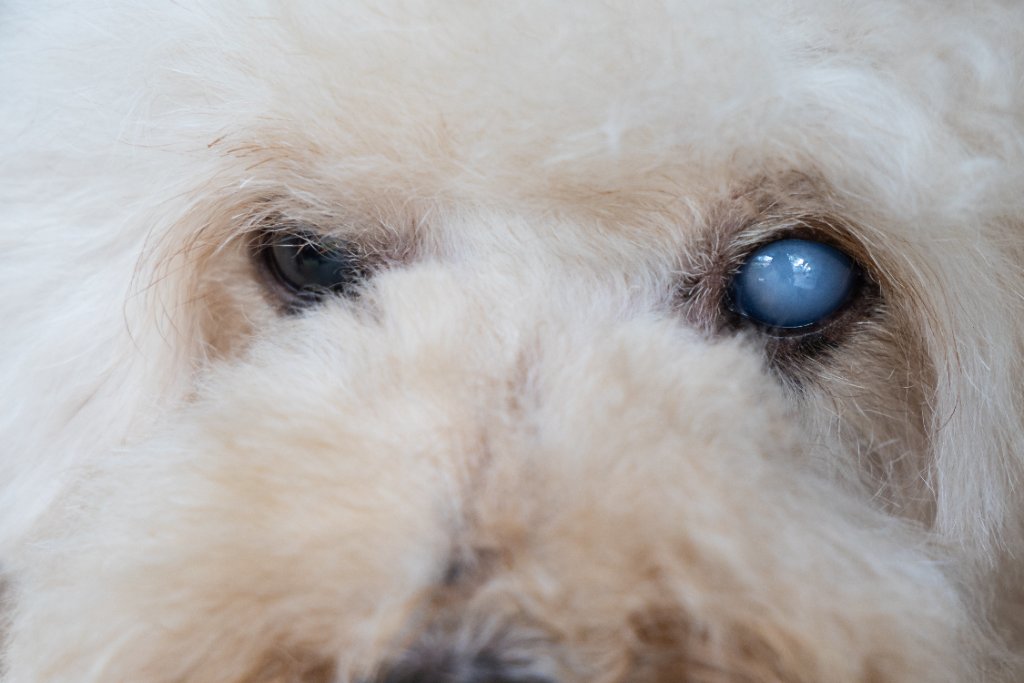
For many pet guardians, it begins with something subtle — a familiar look that seems different, eyes washed in a pale blue-grey haze. That cloudy appearance may signal cataracts, a condition that, if untreated, can lead to complete blindness. Here's what every dog owner needs to know.
For many pet guardians, it begins with something subtle.
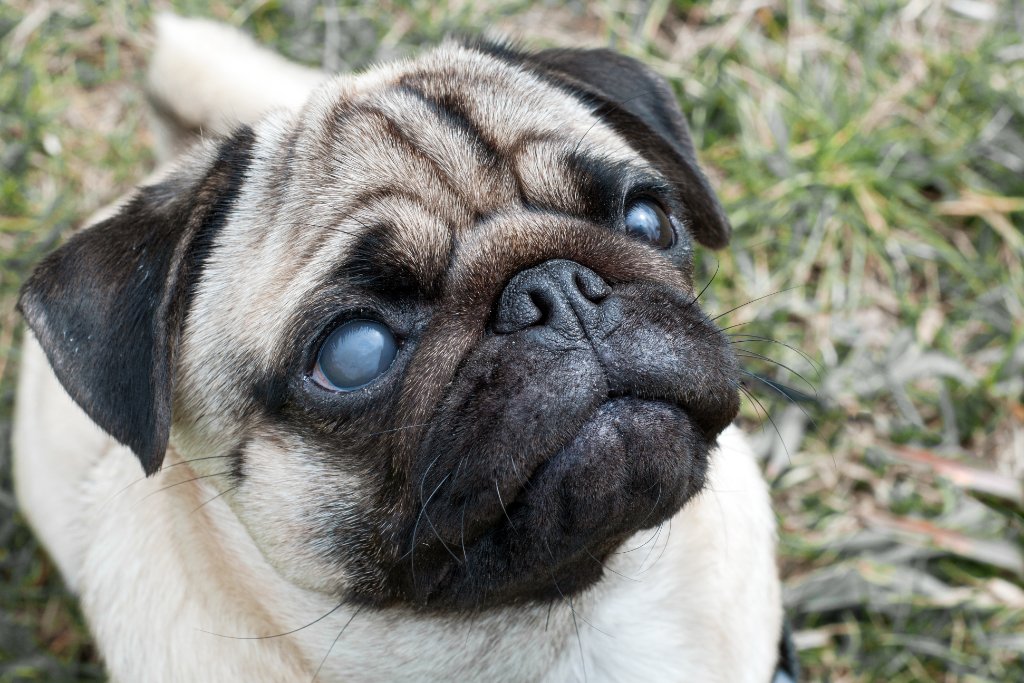
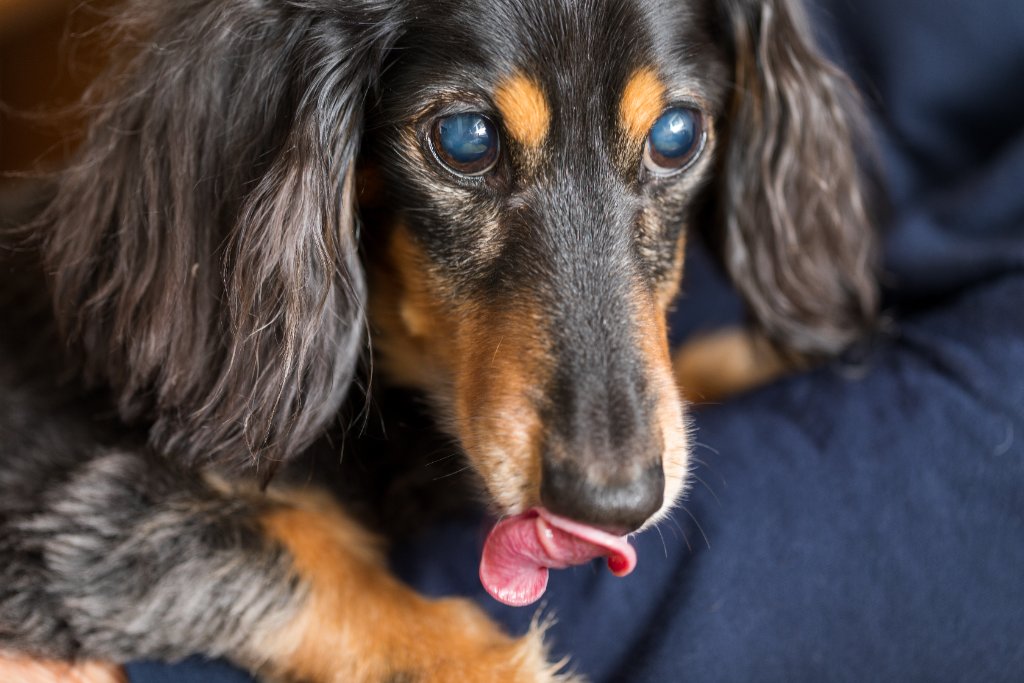
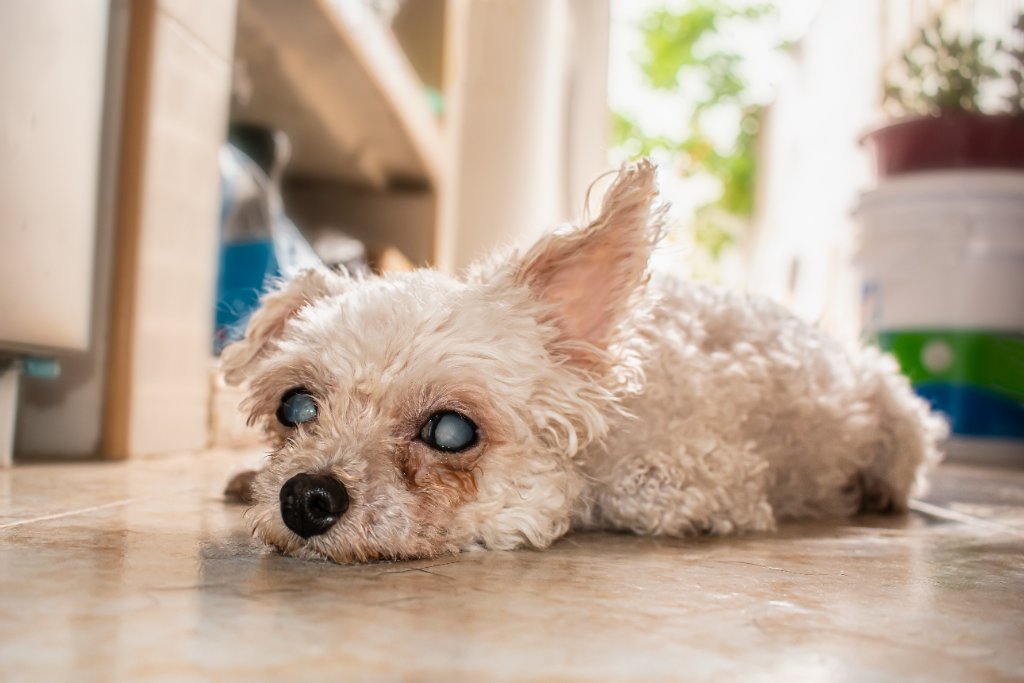
A familiar look from across the room suddenly seems different. The sparkle in their dog's eyes appears softer, slightly cloudy, almost washed in a pale blue-grey haze. At first, most assume it is simply part of aging.
But according to veterinary professionals, that cloudy appearance may signal something far more serious: cataracts.
"People often think vision loss happens slowly and naturally with age," explain veterinary specialists familiar with the condition. "But cataracts are a medical issue, and in many cases they progress much faster than owners expect."
Today, canine cataracts are becoming an increasingly discussed topic in veterinary medicine, especially as pets live longer and receive more advanced healthcare than ever before.
What Is a Cataract?
Inside every dog's eye sits a transparent lens responsible for focusing light onto the retina. When that lens becomes cloudy or opaque, vision begins to blur. This condition is known as a cataract.
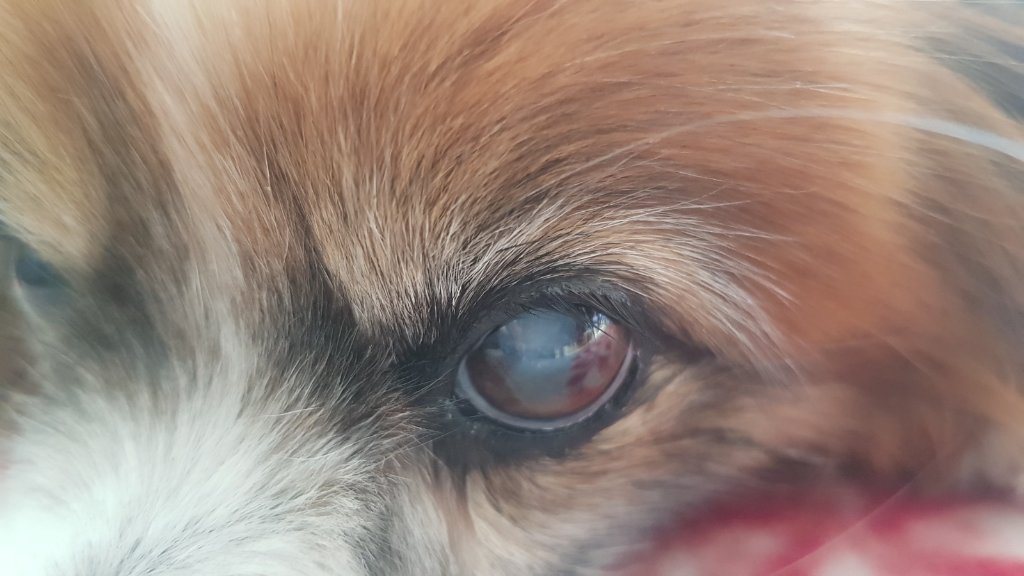
As the cloudiness progresses, a dog may struggle to navigate familiar spaces, hesitate in dim lighting, or begin bumping into furniture.
"If untreated, cataracts can eventually lead to complete blindness," veterinarians warn. "In some cases, they may also trigger painful secondary conditions such as glaucoma or chronic inflammation."
Not Just an Old Dog Problem
Although cataracts are often associated with aging, experts stress that they can affect dogs of many ages.
Some breeds are genetically predisposed, including:
- Poodles
- Cocker Spaniels
- Golden Retrievers
- Bichon Frises
Diabetes is also considered one of the leading causes. Veterinary data suggests that approximately 75 to 80 percent of diabetic dogs develop cataracts, often within the first year after diagnosis. Eye trauma or inflammation can also trigger the condition by damaging the delicate proteins inside the lens.
The Four Stages Veterinarians Watch Closely
Veterinary ophthalmologists generally classify cataracts into four stages:
Incipient — Tiny cloudy spots begin forming inside the lens. Vision is usually still normal, and the changes are often difficult for owners to notice without a veterinary examination.
Immature — The opacity spreads across a larger portion of the lens. Specialists say this is often the ideal moment for early intervention.
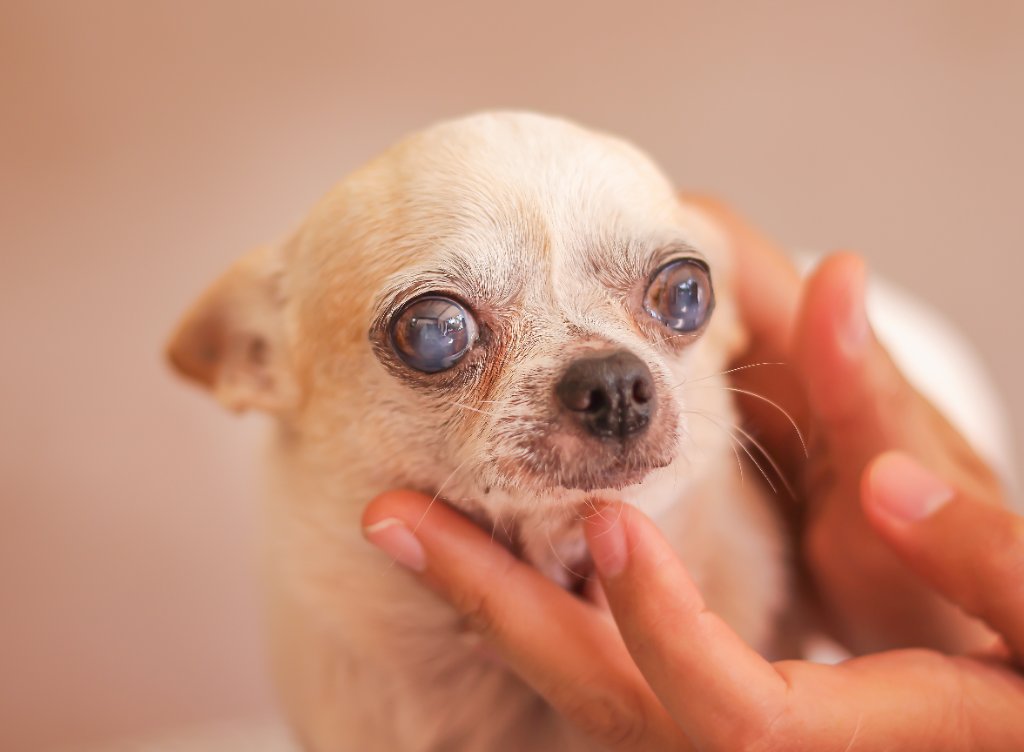
Mature — The lens becomes fully opaque. At this stage, the dog is functionally blind in the affected eye.
Hypermature — The cataract begins to deteriorate internally, potentially leaking proteins and causing painful inflammation.
"The earlier we detect cataracts, the more options we have," veterinary professionals emphasize. "Routine senior check-ups can make a significant difference."
The Challenges of Traditional Treatment
For years, the primary treatment option has been surgery known as phacoemulsification — a procedure that removes the cloudy lens and replaces it with an artificial one. While considered effective, the treatment comes with major considerations.
The price range is typically S$6,000–S$8,000+ per eye, excluding medications and follow-up care.
Because the procedure requires general anesthesia, elderly or diabetic dogs may face additional complications. Recovery can also be demanding for both pets and owners, involving weeks of medication, restricted activity, protective cones, and repeated veterinary visits.
"Many owners underestimate the emotional stress recovery can place on animals," says one veterinary practitioner. "Some dogs become anxious or withdrawn during the healing process."
A Singapore Discovery Changing the Conversation
In Singapore's growing biotechnology sector, one company unexpectedly entered the veterinary spotlight.
Singapore Sciences, a biopharmaceutical company focused on advanced therapeutics, had initially been researching a non-invasive approach for human cataracts. According to the company, clinical observations conducted alongside veterinary professionals revealed something unexpected during development — the formula appeared to help manage lens opacity in dogs and, in some cases, visibly reduce cloudiness.
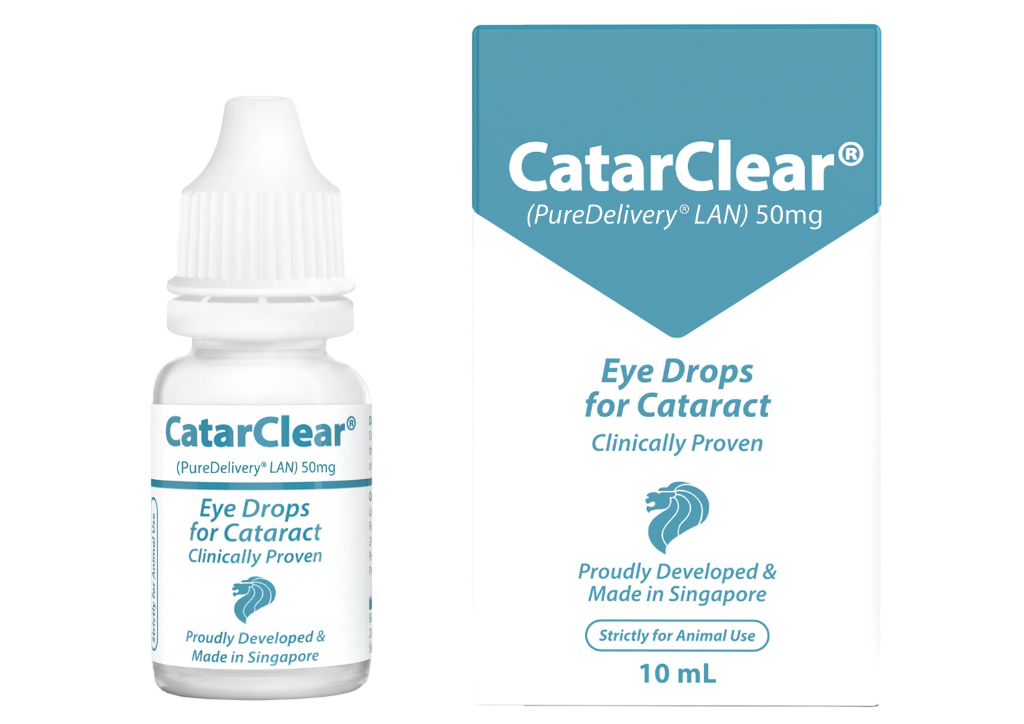
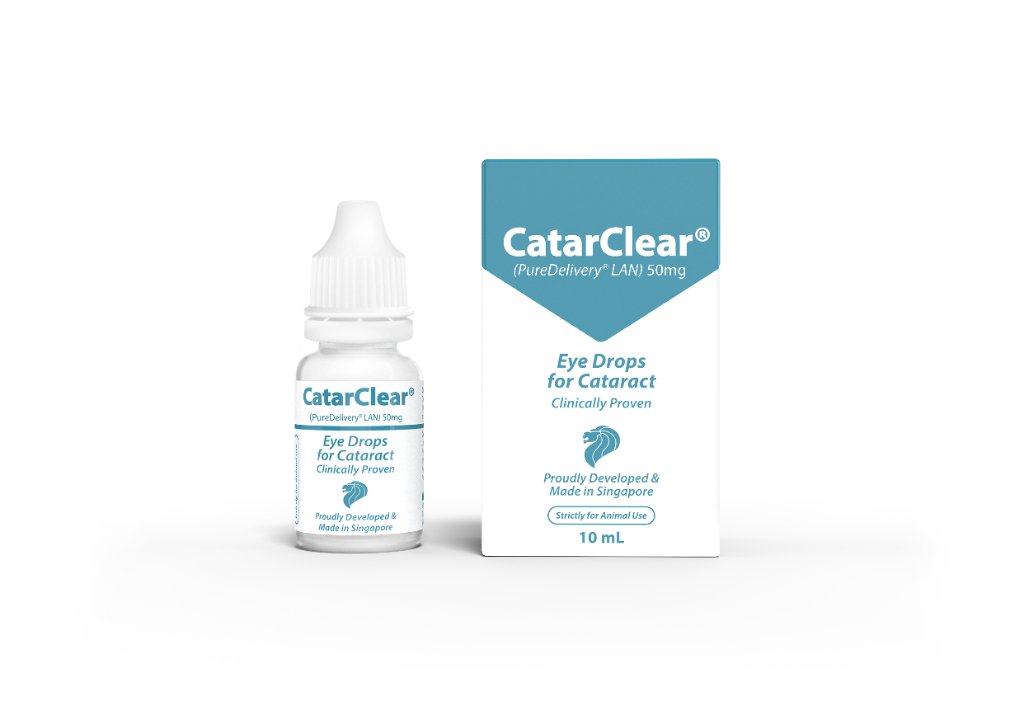
Recognising the potential impact for veterinary medicine, the company shifted focus toward launching a veterinary-specific formula known as CatarClear.
From Local Innovation to Global Attention
Since launching in 2024, CatarClear has rapidly expanded beyond Singapore. At the 2025 VetShow Singapore event, the company drew strong international attention from veterinary professionals and distributors — with over 2,000 professionals in attendance.
Perhaps most telling, several veterinarians reportedly purchased the product for use on their own pets.
"In this industry, that level of trust matters," one attendee commented. "Veterinarians are extremely cautious about what they personally use."

Today, CatarClear is distributed across more than 20 countries throughout Asia, Europe, Australia, and the Americas.
A New Option for Pet Guardians
For many years, dog owners facing cataracts often felt trapped between two difficult choices: pursue expensive surgery or accept gradual blindness. The arrival of non-invasive alternatives has begun reshaping that conversation.
Supporters of CatarClear describe it as an additional option that may help delay progression, manage lens clouding, and improve quality of life without invasive procedures.
Veterinary experts continue to emphasise the importance of professional diagnosis and regular monitoring, but many believe the future of canine eye care is evolving rapidly. And for pet guardians, that evolution carries emotional weight.
Because after a lifetime of loyalty, companionship, and unconditional love, every dog deserves the chance to keep seeing the face they trust most.
"Because after a lifetime of devotion, every dog deserves to see the smile of the person they love most."
For more information, visit www.catarclear.com
Share this story
Discussion (0)
No comments yet. Be the first to share your thoughts!
Stay Connected
Get stories like this in your inbox
Join our community of design-minded pet lovers. Curated stories on culture, travel, and modern pet living — delivered to you.
Get Involved
Inspired? Share Your Story
Pet Culture Asia is shaped by its community. Pitch a story, upload a photo, or share a hidden gem.