Why Pet-Friendly Cities Are Shaping the Future of Urban Living
Across Asia, cities are rethinking urban design to include the animals who share our lives — creating healthier, friendlier, and more connected communities for everyone.
Why Pet-Friendly Cities Are Shaping the Future of Urban Living
By Pet Culture Asia Editorial Team
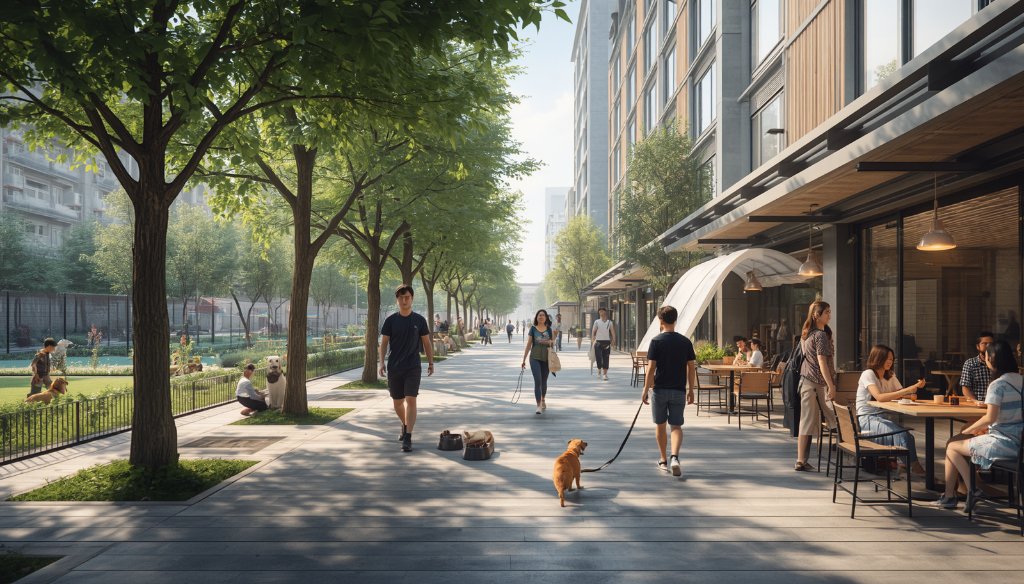
Walk through many of Asia's most progressive cities today and you'll notice a quiet transformation taking place. More cafés have water bowls waiting outside their entrances. Hotels proudly advertise pet-friendly rooms. Parks are introducing dedicated dog areas, and community events increasingly welcome four-legged family members.
These changes are not simply following a trend. They reflect a deeper shift in how society views companion animals. Across Asia, pets have become cherished members of the family, influencing where people live, travel, shop, dine, and spend their free time.
As this relationship continues to evolve, the definition of a successful city is changing as well. Modern urban spaces are no longer designed only for people. They are beginning to consider the wellbeing of the animals who share our lives.
A city that works well for pets often becomes a healthier, friendlier, and more connected place for everyone.
The Rise of Pet Ownership Across Asia
Pet ownership has grown steadily throughout Asia over the past decade. From Singapore and Japan to South Korea, Thailand, Malaysia, and beyond, more families are choosing to welcome dogs and cats into their homes.
Several factors have contributed to this growth. Smaller households, an aging population in some countries, increased awareness of mental wellbeing, and changing lifestyles have all strengthened the human-animal bond. For many people, pets provide companionship, emotional support, routine, and unconditional love.
At the same time, younger generations increasingly view pet ownership as a long-term commitment rather than simply keeping an animal. Veterinary care, quality nutrition, enrichment activities, professional grooming, and positive training have become important parts of responsible pet ownership.
This shift has encouraged cities and businesses to rethink how they serve modern families.
Beyond Allowing Pets
Many places describe themselves as pet friendly simply because they allow dogs on outdoor patios or permit pets inside certain stores. While these are welcome developments, true pet friendliness goes much further.
A genuinely pet-friendly city considers the everyday needs of both animals and their owners.
Safe walking paths help reduce accidents while encouraging daily exercise. Parks provide open spaces where dogs can move, explore, and socialize responsibly. Reliable veterinary clinics ensure that quality healthcare is easily accessible. Public education campaigns encourage responsible ownership and respectful behavior in shared spaces.
Waste disposal stations, drinking fountains, shaded resting areas, and clear signage all contribute to creating an environment where pets and people can comfortably coexist.
The goal is not simply to accommodate pets but to thoughtfully include them in urban planning.
Stronger Communities Through Pets
Pets have a remarkable ability to bring people together.
A simple morning walk often leads to conversations between neighbors who may never have met otherwise. Dog parks create natural gathering places where friendships develop through shared experiences. Community events, charity walks, adoption drives, and pet festivals strengthen local connections while promoting responsible ownership.
Research has consistently shown that pet owners often experience increased physical activity and greater opportunities for social interaction. Walking a dog encourages regular exercise, while spending time outdoors improves both physical and mental wellbeing.
Communities with active public spaces also tend to feel safer and more welcoming because residents spend more time outside interacting with one another.
In many ways, pets become quiet ambassadors of community spirit.
A Growing Opportunity for Businesses
Businesses across Asia are increasingly recognizing that pet owners represent a loyal and growing customer base.
Hotels are creating pet welcome packages complete with comfortable bedding, treats, and designated walking areas. Cafés are designing outdoor spaces where pets can relax beside their owners. Shopping centres host pet adoption weekends, educational workshops, and seasonal celebrations.
Airlines are gradually expanding pet travel services as more people choose to explore the world without leaving their companions behind. Property developers are introducing pet-friendly residential projects with grooming stations, dedicated play areas, and convenient access to green spaces.
These initiatives are not simply marketing strategies. They reflect a broader understanding that modern consumers appreciate businesses that recognize the importance of family, including pets.
Companies that genuinely embrace pet-friendly practices often benefit from stronger customer loyalty and positive word-of-mouth recommendations.
Responsibility Makes the Difference
Creating pet-friendly communities requires partnership.
While governments, businesses, and developers can provide facilities and supportive policies, responsible ownership remains the foundation of success.
Pet owners should always clean up after their animals, respect leash regulations where required, ensure vaccinations are current, and provide proper training and socialization. Understanding a pet's individual temperament is equally important, as not every dog or cat is comfortable in busy public environments.
Courtesy toward other people also matters. Some individuals may have allergies, fears, or cultural differences regarding animals. Respectful interactions help create positive experiences for everyone.
The best pet-friendly cities are built not only through infrastructure but also through mutual respect.
Learning From Cities Across Asia
Many cities throughout Asia are making encouraging progress.
Singapore continues expanding pet-friendly dining options while improving access to parks and recreational spaces. Japan is well known for its pet cafés, specialized pet services, and carefully maintained public environments. South Korea has seen rapid growth in pet-focused businesses ranging from luxury hotels to wellness services.
Thailand and Malaysia continue developing pet-friendly tourism opportunities, while Taiwan has embraced creative community events that celebrate responsible pet ownership.
Although every city faces unique challenges related to housing density, transportation, and public space, each success demonstrates that meaningful improvements are possible when governments, businesses, and communities work together.
Rather than copying one another, cities are finding solutions that reflect their own culture, environment, and lifestyle.
Looking Toward the Future
Urban life continues to evolve.
As cities become smarter, greener, and more connected, companion animals will naturally become part of conversations about housing, transportation, tourism, healthcare, and community planning.
Future innovations may include more pet-friendly public transport, expanded access to parks, digital services that connect owners with local resources, improved emergency planning for pets during natural disasters, and stronger partnerships between municipalities and animal welfare organizations.
Technology will also play an increasing role. Mobile applications can help owners locate nearby veterinary clinics, pet-friendly restaurants, walking routes, adoption centres, and community events, making city life more convenient for both pets and their families.
The future is not simply about making room for pets. It is about recognizing their contribution to healthier and happier communities.
A Shared Future
The relationship between humans and animals has always been built on trust, companionship, and mutual care. As our cities grow, that relationship deserves thoughtful consideration within the places we live, work, and explore.
Pet-friendly cities are not defined by the number of cafés that welcome dogs or the quantity of pet boutiques lining the streets. They are defined by a culture of inclusion, responsibility, and respect that benefits every resident.
When communities create safe spaces for animals, they also create opportunities for people to connect, exercise, support local businesses, and enjoy richer everyday experiences.
At Pet Culture Asia, we believe the future of urban living is one where pets are recognized not as visitors but as valued members of our communities. Every thoughtful policy, every welcoming business, every responsible owner, and every shared public space brings us one step closer to cities that truly celebrate the extraordinary bond between people and their pets.
Because when a city cares for its animals, it ultimately creates a better place for everyone.
Share this story
Discussion (0)
No comments yet. Be the first to share your thoughts!
Stay Connected
Get stories like this in your inbox
Join our community of design-minded pet lovers. Curated stories on culture, travel, and modern pet living — delivered to you.
Get Involved
Inspired? Share Your Story
Pet Culture Asia is shaped by its community. Pitch a story, upload a photo, or share a hidden gem.